Fotona Laser Treatments for Modern Non-Surgical Aesthetics
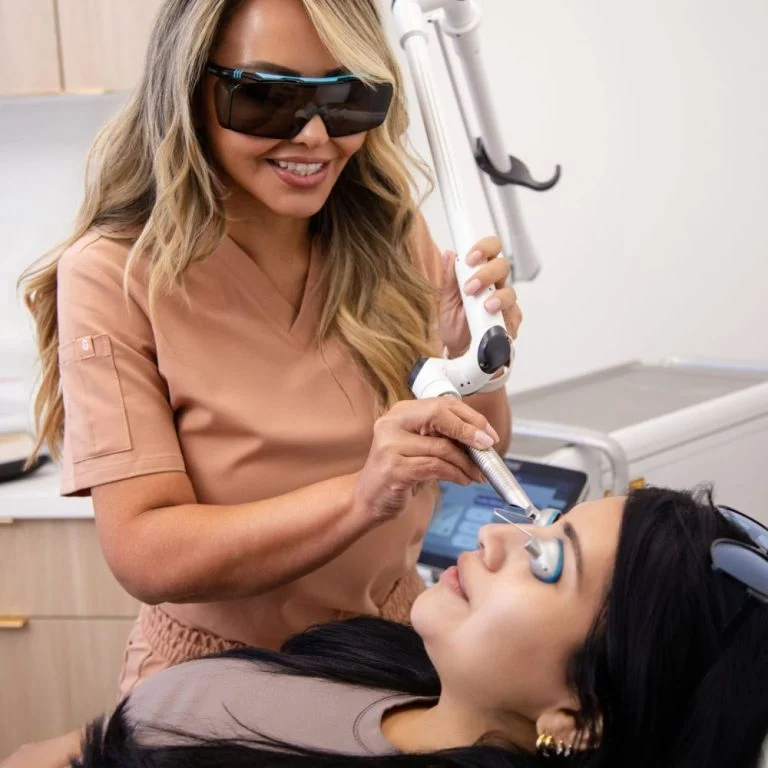
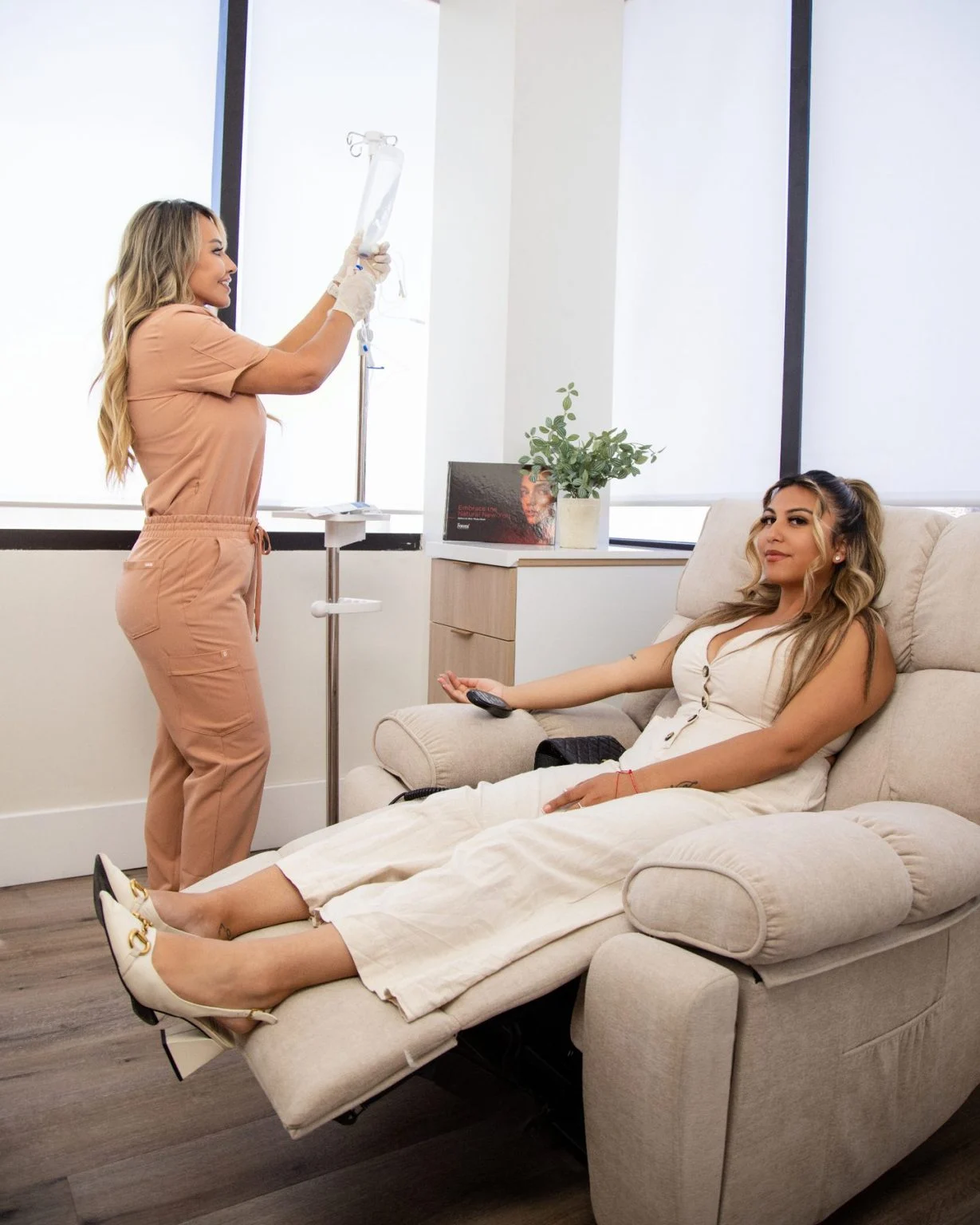
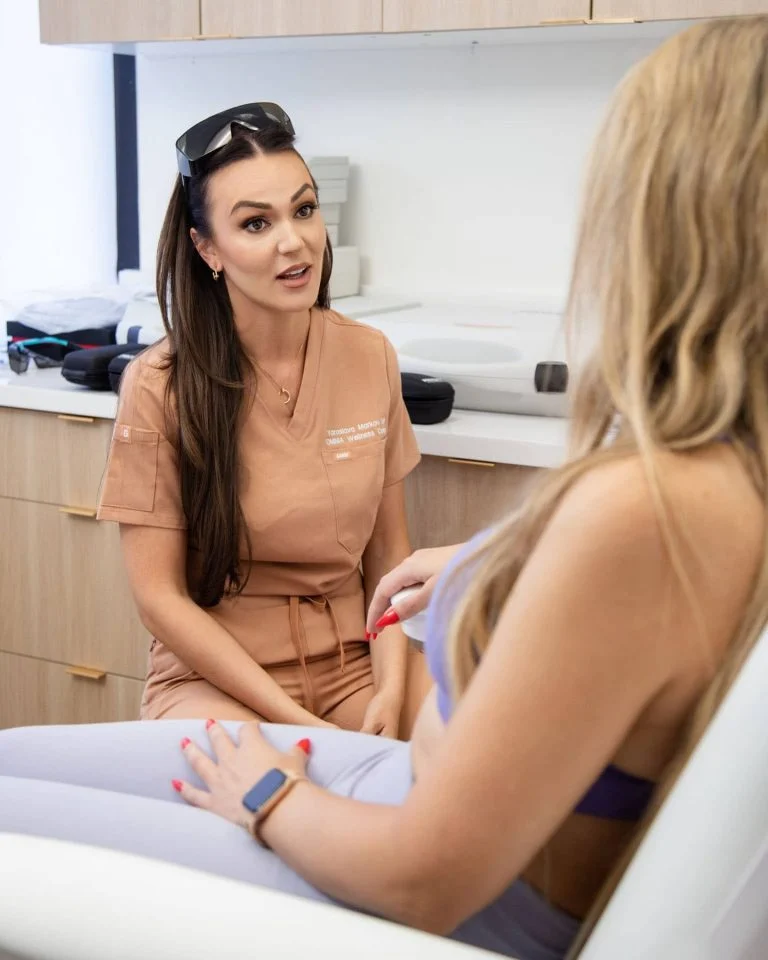
Non-surgical aesthetics has matured. Patients are better informed, less impressed by hype, and far more interested in treatments that do something measurable without forcing a long social downtime. That shift explains why Fotona Laser Treatments continue to draw attention in well-run aesthetic clinics. They sit in a useful middle ground, more substantial than a pleasant facial, less disruptive than surgery, and versatile enough to address concerns that often appear together, such as skin laxity, texture irregularity, vascular redness, acne scarring, and intimate wellness concerns.
What makes Fotona particularly relevant is not just the brand recognition. It is the way its laser platforms combine different wavelengths and pulse modes to treat tissue at different depths. In practice, that gives experienced clinicians room to tailor treatment rather than forcing every patient into the same protocol. A patient in her early forties with mild lower face laxity and enlarged pores does not need the same settings, endpoint, or treatment rhythm as a patient with long-standing acne scars or someone seeking support for peri-menopausal vaginal dryness. The machine matters, but the judgment behind it matters more.
Why Fotona occupies a distinct place in aesthetics
Many energy-based devices promise collagen stimulation. That phrase is so overused that patients often stop listening the moment they hear it. Still, the underlying principle is real. Controlled thermal stimulation can trigger remodeling in the dermis and deeper tissues, improving firmness, texture, and, over time, overall skin quality. Fotona platforms are known for using two major laser wavelengths, Er:YAG and Nd:YAG, each bringing different tissue interactions.
The Er:YAG wavelength is strongly absorbed by water, which makes it useful for precise ablation and resurfacing. It can remove damaged superficial tissue with a degree of control that experienced practitioners value when treating fine lines, rough texture, superficial pigment irregularity, or acne scar edges. The Nd:YAG wavelength penetrates more deeply and is often used for bulk heating, vascular concerns, hair reduction, and non-ablative tightening. That combination allows a single treatment plan to work both on the skin surface and in the deeper support layers.
In day-to-day clinic use, this matters because aesthetic complaints rarely live in one layer. A person who says, “I look tired,” may be noticing crepey under-eye skin, diffuse redness across the cheeks, and subtle mid-face descent. Surface treatment alone will not be enough. Deep heating alone may leave rough texture untouched. Fotona can bridge those layers when the operator understands how to sequence treatments and when to stop.
The treatments people ask for most often
Among the best-known protocols is SmoothEye, used for the delicate periocular region. The appeal is obvious. The eye area ages early, but it is also unforgiving. Heavy-handed treatment can create prolonged swelling, post-inflammatory pigment issues, or an unnatural contrast between treated and untreated skin. SmoothEye relies on non-ablative Er:YAG thermal stimulation around the eyes, aiming to tighten thin skin without breaking the surface. The result is not the dramatic change of blepharoplasty, and it should never be sold that way. At its best, it can soften crepiness, modestly reduce fine lines, and make the upper cheek and lower lid junction look fresher.
Then there is 4D, perhaps the most widely marketed facial rejuvenation protocol in the Fotona family. The concept involves multiple steps delivered from inside the mouth and on the external skin surface, using both deep and superficial modes. The internal oral treatment is designed to stimulate tightening in the nasolabial and perioral region from within. External steps address deeper dermal heating, texture refinement, and, depending on parameters, light polishing of the skin surface. When patients hear “4D,” they sometimes expect a facelift effect. A responsible clinician reframes that expectation quickly. A good 4D series can create visible refinement, especially in patients with early laxity and moderate skin quality issues. It does not reposition heavy tissues or replace surgery in someone with advanced jowling.
Fotona resurfacing treatments are another major area of interest. Here, the Er:YAG side of the system comes into its own. It can be adjusted from very light polishing to more assertive fractional or full-field resurfacing, depending on indication and downtime tolerance. This is where practical consultation becomes important. A patient wanting clearer pores and brighter skin before a wedding in ten days is not a candidate for an aggressive resurfacing pass. A patient with etched smoker’s lines and old acne scars may benefit from a stronger approach, but only if they understand aftercare and can comply with strict sun protection.
The platform is also used for acne and acne scar work. Active acne often requires a combination strategy, because breakouts are driven by oil activity, inflammation, hormones, skincare habits, and sometimes medication interactions. Laser can help, especially in reducing inflammation and supporting sebaceous control, but it is rarely a stand-alone answer in more persistent cases. For acne scarring, laser becomes much more valuable. Rolling scars, shallow boxcar scars, and texture irregularity often respond over a series of treatments. Deep ice-pick scars are trickier and may need adjunctive techniques. This is one of those edge cases where honest treatment planning protects both the patient and the clinic’s reputation.
Another area where Fotona has become prominent is intimate health. Treatments using controlled thermal energy for vaginal laxity, dryness, and mild stress urinary incontinence have grown in popularity, especially among postpartum and peri-menopausal patients who want non-surgical options. This field requires careful language and even more careful patient selection. Laser can improve symptoms for some women, particularly when the issue is mild to moderate and not driven by more complex pelvic floor disorders. It is not a blanket substitute for gynecologic assessment, pelvic floor physiotherapy, or surgery when those are indicated.
What treatment actually feels like
Patients usually want to know three things before anything else: how much it hurts, how long it takes, and whether they will look alarming afterward. The answer depends heavily on the protocol.
A non-ablative tightening session often feels warm, prickly, and repetitive rather than sharply painful. Most patients tolerate it without much trouble, especially on the cheeks, jawline, and forehead. The upper lip and around the eyes tend to be more sensitive. In resurfacing modes, sensation intensifies. Some people describe it as a hot snapping feeling with accumulating heat. Topical numbing helps in many cases, though it is not always enough for more assertive settings. Good operators adjust pace, overlap, and cooling intervals rather than pushing through discomfort for the sake of finishing on time.
Immediately after treatment, the skin may appear pink to red, feel warm, and show some swelling. For lighter sessions, that may fade within hours to a couple of days. More aggressive resurfacing can mean several days of redness, a rough sandpapery feel, and visible bronzing or flaking as the skin renews. Patients who were told it is “just a lunchtime procedure” after an ablative treatment often feel blindsided. That kind of mismatch is avoidable with proper counseling.
One detail that is rarely emphasized enough is the difference between feeling tighter and seeing tighter. Heat-based treatments often create an early sense of firmness due to transient tissue contraction and swelling. The more meaningful change unfolds over weeks to months as remodeling occurs. This delayed https://medium.com/@omniawellnesscenter/about timeline is normal, but patients who expect next-day transformation may judge a good treatment too early.
Where Fotona performs particularly well
In experienced hands, Fotona Laser Treatments are especially strong for the patient who wants visible improvement while staying on the conservative side of intervention. That usually includes the person with early laxity, textural changes, enlarged pores, mild to moderate acne scarring, under-eye crepiness, fine lines around the mouth, and generalized dullness. It is also well suited to those who prefer to build results gradually rather than commit to one dramatic procedure.
I have seen some of the most satisfying responses in patients whose concerns overlap. A classic example is a forty-eight-year-old patient with subtle jowling, smoker’s lines despite never smoking, roughness across the cheeks, and reluctance to use fillers. A carefully planned series combining deep tightening and light resurfacing often creates the kind of improvement that friends notice without being able to name it. The face reads as better rested and better maintained. That is often exactly what the patient wants.
It also performs well as part of maintenance. There is a practical truth in aesthetics that many clinics learn after enough years in practice: the best long-term outcomes often come from patients who do not chase dramatic swings. They maintain skin quality, stimulate collagen periodically, protect the skin barrier, and avoid the cycle of neglect followed by desperate correction. Fotona fits nicely into that philosophy.
Where caution matters
The strongest technology can still disappoint if used on the wrong person, the wrong concern, or the wrong skin at the wrong time. Not every face is a laser face that day.
Patients with significant skin laxity, heavy neck bands, pronounced jowls, or a large amount of redundant upper eyelid skin may simply be better served by surgery. Offering repeated laser sessions in that scenario may preserve revenue, but it rarely serves the patient well. The improvement ceiling is too low.
Pigment risk is another important consideration. Darker skin tones can absolutely be treated, but settings, indication, pretreatment routines, and post-care need more caution, particularly for ablative resurfacing. Post-inflammatory hyperpigmentation can linger far longer than the original issue. This is one reason why precise diagnosis matters. A patient saying they have “sun spots” may actually have melasma, and melasma can worsen if heat is handled poorly.
Active infection, open skin lesions, recent isotretinoin history depending on context and physician preference, impaired wound healing, photosensitizing medications, and unrealistic expectations all deserve a pause. Patients also need to understand seasonal timing. A significant resurfacing treatment just before a beach holiday is almost always a bad idea.
How clinicians build sensible treatment plans
A good consultation for Fotona Laser Treatments usually starts with less glamour and more observation. Skin thickness, oiliness, redness pattern, scar type, degree of laxity, previous procedures, and healing history tell you more than the patient’s chosen package name. Two people may both ask for “laser tightening” while needing entirely different approaches.
This is where combination planning becomes valuable. Laser often works best when it is not expected to solve every aesthetic problem alone. A patient with facial redness, pigment irregularity, static wrinkles, and volume loss may benefit from laser as one part of a broader plan that also includes skincare, injectables, or resurfacing at a different time. The order matters. If a patient has significant volume depletion, adding heat without addressing support can sometimes sharpen hollows rather than improve the face as a whole.
There is also the issue of treatment interval. Clinics eager to accelerate results sometimes overbook sessions too closely together. Tissue needs time to respond. For many indications, spacing treatments several weeks apart allows healing and collagen remodeling to progress before the next intervention. The exact interval varies, but patience usually produces cleaner outcomes than stacking energy too aggressively.
Expected results, realistically framed
Aesthetic medicine works best when results are described in degrees, not absolutes. With Fotona, many patients see improvement in skin smoothness, brightness, and fine wrinkling after a series of sessions. Mild tightening is common, particularly in younger patients or those with only early laxity. Acne scars can soften, but deep or sharply edged scars rarely vanish. Eye area treatments can refresh the region, though they do not recreate surgical eyelid contouring.
One of the most useful consultation phrases is, “better, not perfect.” Patients who understand that tend to be happier and more consistent with maintenance. They also appreciate subtle gains that compound over time. A single session might deliver a 10 to 20 percent change in the feature being targeted. A series, combined with good skincare and UV protection, may produce a more satisfying cumulative effect. The exact number is never universal, but the pattern is familiar.
Downtime and aftercare, the part that quietly shapes outcomes
Aftercare does not get the same marketing space as before-and-after photos, but it has a direct effect on recovery and, in some cases, on final result. Gentle cleansing, barrier-supportive moisturizers, strict sun avoidance, and avoiding active skincare ingredients for an appropriate period are standard for good reason. Patients who resume retinoids or acids too quickly often prolong irritation. Patients who pick at shedding skin invite pigment issues and delayed healing.
The main instructions usually include:
- Keep the treated area clean and well moisturized.
- Avoid direct sun exposure and use broad-spectrum sunscreen once the skin barrier allows.
- Pause retinoids, acids, exfoliants, and irritating actives until the clinician advises restarting.
- Do not pick, scrub, or prematurely remove flaking skin.
- Contact the clinic promptly if pain escalates, blisters appear, or healing seems abnormal.
That list looks simple. In practice, compliance varies. The patient who exercises hard the same evening, sleeps in makeup, and spends the weekend outdoors after resurfacing is not having the same recovery as the patient who follows guidance carefully. This is one reason seasoned practitioners prefer to under-promise during the booking process and over-deliver during follow-up.
Comparing Fotona with other non-surgical options
Patients often ask how Fotona compares with radiofrequency microneedling, fractional CO2, ultrasound-based lifting, IPL, or injectables. There is no universal winner because the target problem changes the answer.
Fractional CO2 can be stronger for certain scar patterns and advanced photoaging, but it generally comes with more downtime and more pigment risk, especially in some skin types. Radiofrequency microneedling can be excellent for texture, acne scars, and modest tightening, with a different risk profile and a different healing pattern. Ultrasound-based devices may target deeper structural lifting but do little for surface roughness or pores. IPL can be superb for redness and superficial pigment, but it is not a tightening device in the same way. Fillers and neuromodulators address volume and muscle movement, which laser does not.
The practical comparison I often return to looks like this:
| Concern | Fotona may be a good fit when | Another option may be better when | |---|---|---| | Early laxity | The patient wants gradual tightening with limited downtime | Laxity is advanced and surgical lifting is indicated | | Fine lines and texture | Surface refinement and collagen stimulation are both needed | Deep etched lines require stronger resurfacing or combined treatment | | Acne scarring | Scars are shallow to moderate and part of a series plan | Scars are very deep, tethered, or need subcision and adjuncts | | Redness or vessels | Nd:YAG can help selected vascular concerns | IPL or vascular-specific devices are more appropriate for diffuse redness patterns | | Under-eye crepiness | The patient wants subtle tightening without surgery | Excess skin or fat prolapse is significant |
A good clinic does not force every concern into one machine. The most trustworthy providers are comfortable saying, “This is not the right tool for that problem.”
The business of choosing a provider
Aesthetic devices are widely distributed. Expertise is not. Two clinics can own the same platform and produce very different outcomes. The differences show up in consultation quality, parameter selection, patient screening, and complication management.
Patients looking for treatment should ask sensible questions. How often does the provider perform this exact protocol? What degree of downtime is typical at the settings they recommend? What outcomes are realistic for this skin type and concern? Do they have before-and-after photos of patients with similar skin and similar issues, taken in consistent lighting? Vague answers are a warning sign.
The provider’s willingness to say no also matters. A clinic that recommends aggressive resurfacing to every person with texture complaints, regardless of melasma history, upcoming sun exposure, or tolerance for downtime, is not practicing with enough judgment. Likewise, a clinic that sells six-session packages before completing a proper assessment is prioritizing conversion over care.
Cost, value, and why cheap treatment can become expensive
Pricing for Fotona Laser Treatments varies widely by region, provider experience, and protocol intensity. A light maintenance session costs far less than a comprehensive multi-step rejuvenation treatment or intimate wellness series. Patients naturally compare numbers, but value is not the same as price.
A cheaper session performed with overly timid settings may deliver very little. A bargain resurfacing treatment performed aggressively by an inexperienced operator may produce weeks of pigment issues that then require additional visits and products. The real cost includes outcome quality, recovery time, and the likelihood of needing corrective care.
For many patients, the better question is not “What does one session cost?” but “What is the likely plan for my concern over six to twelve months?” That framing is more honest. Tightening and scar revision are usually series-based treatments. Maintenance is often part of the picture. When those expectations are set properly, patients can make clearer financial decisions and avoid frustration.
The future of non-surgical aesthetics is not one miracle device
The broader lesson from Fotona’s popularity is not that one platform has solved aesthetic aging. It is that patients and practitioners increasingly value adaptable tools that can be integrated into thoughtful, layered care. Non-surgical aesthetics is moving away from the fantasy of one dramatic fix and toward strategies that preserve skin quality over time.
Fotona fits that shift well. It offers meaningful versatility, from resurfacing to tightening to specialty applications, while still depending heavily on practitioner judgment. Used well, it can create elegant, believable improvement. Used indiscriminately, it can underperform or overpromise like any other device in this category.
That is why the most important part of the treatment may still happen before the laser is ever switched on. A careful consultation, a realistic plan, and a clinician who knows both the strengths and the limits of the platform are what turn technology into results patients can actually live with, and often feel quietly pleased by every time they catch their reflection in natural light.
OMNIA Wellness Center
Address: 16430 Ventura Blvd Ste 207, Encino, CA 91436
Phone number: +18183868511
FAQ About Fotona Laser Treatments
What is a Fotona laser good for?
A Fotona Laser system is a versatile, dual-wavelength medical laser used primarily for non-surgical skin tightening, anti-aging rejuvenation, and dermatological treatments.
How much does the Fotona laser cost?
The cost of a Fotona laser depends heavily on whether you are looking to purchase a laser machine for a medical practice or are a patient seeking a laser treatment at a medspa.
Is a Fotona laser worth it?
A Fotona laser treatment is generally worth it if you want non-surgical skin tightening, improved texture, and collagen stimulation with very little downtime.